
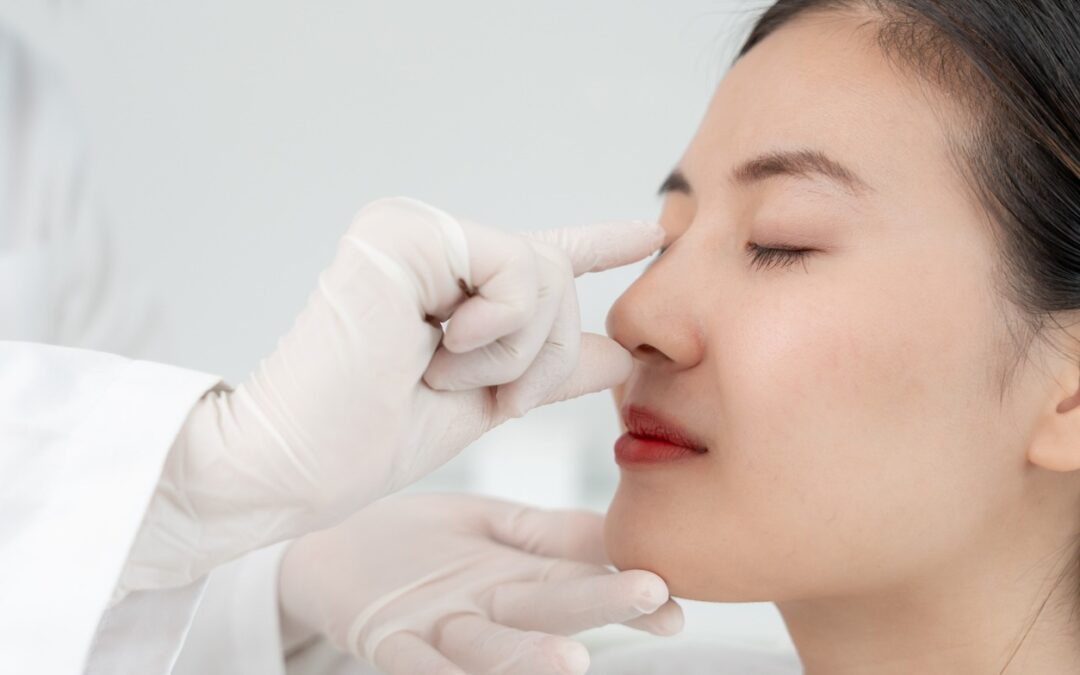
A realistic look at how the nose heals after surgery and how to track progress
Choosing to get a nose job is a big decision. Many patients focus on the surgery itself, but recovery also affects the final outcome. Knowing what to expect can help you feel calm and prepared. Healing takes time, and each phase brings small changes.
The First 72 Hours: Handling Swelling & Discomfort
Immediately after surgery, swelling and mild discomfort are typical. You’ll mostly notice swelling in the first two to three days. Your surgeon will give you instructions for pain control and care. Keeping your head elevated helps reduce the swelling. A cold cloth might also be recommended. Rest is important during this time, and limiting movement lets your body focus on healing.
You might not recognize your new nose yet. That is completely normal. Early swelling can hide the refined shape underneath.
Priorities for Week One
The first week is about protecting your nose and letting tissues settle. Bruising around the eyes is typical and eventually fades. Many patients return to the clinic to have splints or dressings removed. This appointment is exciting for patients, but keep in mind that the swelling will still remain.
Avoid bending forward, lifting heavy items, or doing anything that could bump your nose. Even small impacts can affect early healing. Gentle daily routines and adequate sleep support recovery during this time.
Weeks Two to Three: Returning to Daily Life
By weeks two and three, you’ll notice less bruising. Many patients feel comfortable returning to work and social outings. Light makeup can be worn around the face if your surgeon gives you the go-ahead, but the nose should still be handled gently.
You might start seeing more definition in the bridge of the nose. The tip might still look slightly swollen. This phase brings a boost of confidence as changes become more noticeable.
Weeks Four to Six: Seeing More Definition
One month after surgery, most swelling has decreased. The nose starts to look more refined. Light exercise, such as walking, is usually allowed. Strenuous workouts or contact sports should wait until your surgeon confirms it is safe.
A little swelling might still be visible, especially at the nasal tip. Small changes keep happening underneath the surface as tissues heal and settle.
Long-Term Healing: Why Final Results Take Time
The healing process can take several months. The bridge refines sooner than the tip. It can take up to a year to see the final shape. This slow process is part of the body’s natural healing after surgery.
Regular follow-up visits with your surgeon will ensure healing stays on track. These appointments give you a chance to ask questions and share any concerns.
Tracking Progress with Low Stress
Some patients find it useful to take photos in the same lighting once every few weeks. Looking back at earlier photos can reveal progress that feels hard to notice on a daily basis. Others prefer to keep a simple journal of how they feel and what changes they see.
Recovery takes multiple steps. With proper care and guidance from an experienced surgeon, patients can move through each healing stage feeling informed and supported.
– – – –
Connect / Follow:
Read More:
How Rhinoplasty Affects Breathing and When You Can Breathe Normally Again
Cosmetic Rhinoplasty in Canada: When and How to Safely Use Makeup After Surgery
The Role of Technology in Modern Rhinoplasty: How Canadian Surgeons are Innovating
Liquid Rhinoplasty: A Growing Trend in Canada
Combining Rhinoplasty with Other Cosmetic Procedures
Rhinoplasty for Functional vs. Aesthetic Purposes: What You Need to Know